
How Small Businesses Can Attract More Customers Without Following Every Marketing Trend
A practical guide to attracting more customers through clear information, local SEO, reviews, focused advertising, and repeat-business strategies.
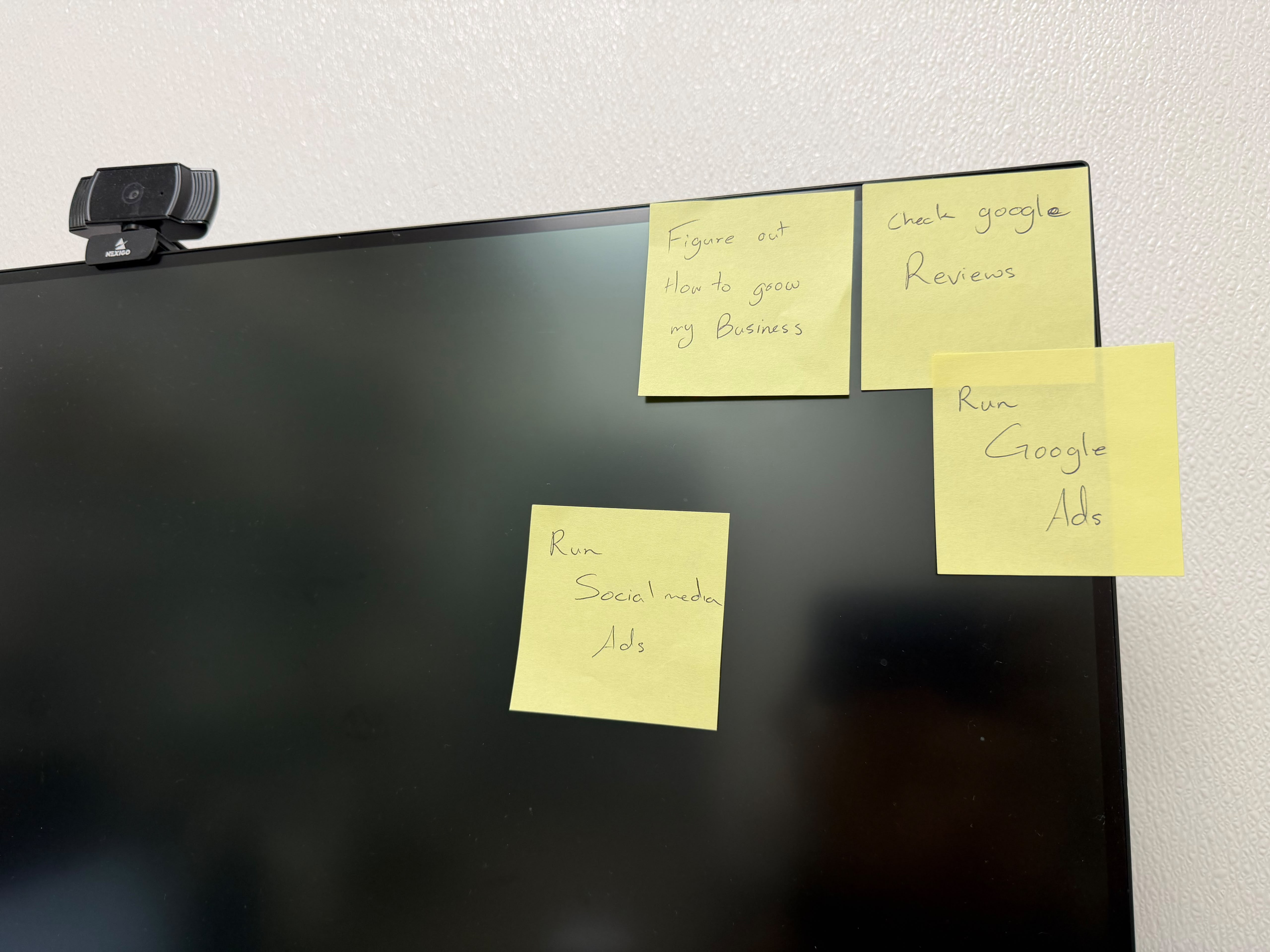
Small-business owners receive a lot of marketing advice.
Post more often. Start a blog. Run Google Ads. Improve SEO. Send emails. Create videos. Offer discounts. Join another platform.
Some of these ideas may be useful. Trying to do all of them at once, however, can make marketing harder to manage.
A more practical approach is to focus on the steps that help customers discover the business, understand what it offers, and decide to visit.
Start With the Customer’s Question
Useful marketing begins with understanding what the customer is trying to find.
Someone may be searching for:
- A restaurant that is open nearby
- A gas station in the area
- A local service with good reviews
- A business that offers a specific product
- A place with clear prices
- Help solving an immediate problem
The business should make the answer easy to find.
That means using clear language on the website, keeping business listings accurate, and describing products or services in the way customers are likely to understand them.
A business may use an industry term internally while customers use a simpler phrase.
Both can appear on the website, but the customer’s wording should be easy to recognize.
Make the Basic Information Clear
Before spending money on advertising, a small business should check that its basic information is complete and consistent.
This may include:
- Business name
- Address
- Phone number
- Hours
- Website
- Services
- Menu or product information
- Directions
- Booking or ordering options
This information should be reviewed across the website, Google Business Profile, Yelp, social media pages, and other business listings.
Consistency reduces confusion and makes it easier for customers to contact or visit the business.
Tools that help keep listings, reviews, and customer interactions organized in one place—such as YupUp—can make this process easier to manage without adding extra complexity.
Treat SEO as a Clarity Project
SEO can sound highly technical, but part of local SEO is simply helping search engines and customers understand the business.
A useful page should clearly explain:
- What the business offers
- Where it is located
- Who the service is for
- What makes the business different
- What the customer should do next
Repeating the same keyword throughout a page does not make the page more useful.
A restaurant website should clearly describe its food, menu, location, hours, and ordering options.
A gas station website may include fuel types, operating hours, store offerings, car-wash information, and directions.
A salon website should explain services, pricing when available, booking, location, and what customers can expect.
The goal is not to make the page sound optimized. The goal is to make it informative.
Ask for Reviews Respectfully
Reviews can help potential customers learn about a business.
Instead of waiting for reviews to appear on their own, businesses can make the process easier.
A review request might be included:
- On a receipt
- In a follow-up text
- In an email
- On a thank-you page
- Through a QR code
- On a small sign near the register
The request should be neutral and respectful.
Customers should be invited to share their experience rather than pressured to leave a positive rating.
Businesses should also respond to reviews when appropriate.
A positive review may deserve a thank-you. A negative review may require acknowledgment, an apology, clarification, or an invitation to continue the conversation privately.
Use Advertising for a Clear Goal
Google Ads may help a small business reach people who are already searching for a related product or service.
Before launching a campaign, the business should decide what result it wants.
The goal might be:
- Phone calls
- Online orders
- Reservations
- Store visits
- Appointment requests
- Promotion redemptions
The advertisement should lead to a page that matches the customer’s search.
Someone searching for catering should reach a catering page. Someone searching for a specific service should see information about that service immediately.
A clear match between the search, the ad, and the landing page can make the experience easier for the customer.
Give First-Time Customers a Reason to Return
Getting a new customer is one step.
The next question is whether that person will come back.
Repeat visits may be encouraged through:
- Reliable service
- Loyalty rewards
- Customer appreciation
- Useful promotions
- Seasonal offers
- Follow-up communication
- Consistent quality
The strongest offers are usually easy to understand and relevant to the customer.
A promotion should not feel like unnecessary pressure. It should give the customer a clear benefit.
Measure Results That Matter to the Business
Marketing activity does not always lead to business results.
A post may receive attention without creating visits. An ad may receive clicks without producing calls or orders. A discount may increase sales without creating enough profit.
Small businesses can review practical outcomes such as:
- Calls
- Orders
- Reservations
- Store visits
- Appointment requests
- New customers
- Returning customers
- Review activity
- Promotion redemptions
The tracking method does not need to be complicated.
A simple monthly review can help the business decide which efforts are working and which ones need to change.
Do Fewer Things Well
Small businesses do not need to use every marketing channel.
They need to be visible where their customers are looking, clear when customers find them, and memorable after the visit.
For one business, that may mean focusing on:
- An accurate Google Business Profile
- A clear and useful website
- Regular review responses
- One focused advertising campaign
- A simple customer rewards program
A few well-managed efforts may be more practical than trying to follow every new marketing trend.
Sustainable growth usually comes from consistent improvements that customers can see and understand.
Need a review and local marketing system?
YupUp helps independent businesses manage reviews, local visibility, and customer follow-up with AI-assisted workflows.
Get a free growth review